Extreme weather has become a growing concern for homeowners across the country. Heavy rain, intense wind, severe storms, snow, flooding, and temperature fluctuations can all cause significant structural damage if a home is not properly protected. Preparing your property before severe conditions strike is one of the most effective ways to reduce risks and safeguard your investment. A carefully planned approach to maintenance, reinforcement, and upgrades can help your home withstand harsh environments while also improving safety and long term value.
Protecting your home from extreme weather involves more than simply reacting to damage after it occurs. Instead, homeowners benefit most when they take proactive steps to strengthen weak points, fix structural concerns, and ensure that every part of the exterior envelope is secure. From the roof to the foundation, every area of the property plays a role in keeping your household safe during storms. The following guide explores essential strategies you can use to prepare your property, reduce weather related risks, and maintain a strong and resilient home.
By understanding which areas of your home are most vulnerable and addressing them before the next major weather event, you can prevent costly repairs and avoid unnecessary stress. This approach not only protects the structure itself but also helps keep your family comfortable and secure when conditions outside become unpredictable.
Perform a Thorough Inspection
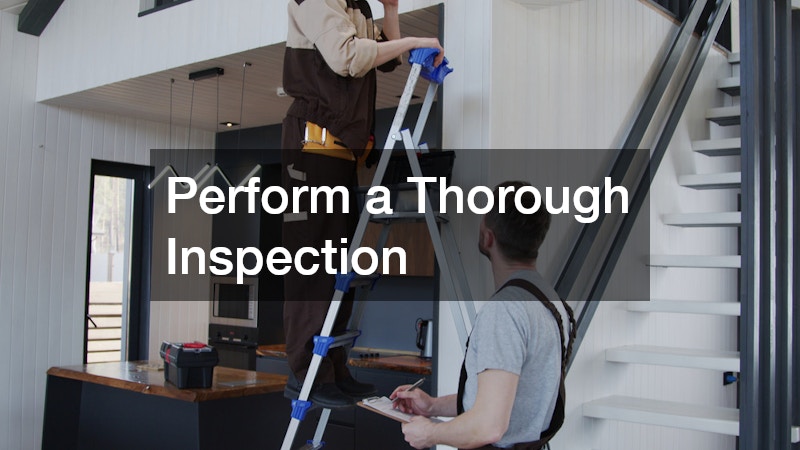
Before you can reinforce your home against extreme weather, it is important to understand its current condition. A detailed inspection helps identify weak spots that may worsen during storms, heavy rain, or strong winds. Many homeowners choose to work with home inspection companies because these professionals have the specialized tools and experience needed to detect issues that the untrained eye may overlook. An inspection can reveal structural damage, aging materials, water intrusion, foundation cracks, and other vulnerabilities that may become serious problems if not addressed promptly.
A comprehensive inspection typically begins with the exterior. Inspectors look closely at the roof, siding, gutters, windows, and doors. They also examine grading around the foundation to ensure that water flows away from the home rather than pooling around the base. Inside the home, inspectors may check attic insulation, ventilation, ceilings, walls, and areas that are prone to moisture buildup. Any signs of leaks, drafts, or material deterioration are documented so that homeowners can prioritize repairs.
The information gathered during an inspection provides a clear roadmap for improving your home’s resilience. By addressing small concerns before extreme weather strikes, you can prevent them from turning into expensive and disruptive emergencies. A thorough inspection also gives you peace of mind, knowing that your home has been evaluated and prepared for changing climate conditions.
Waterproof Your Roof
Your roof is one of the most critical defenses against extreme weather, which is why strengthening and waterproofing it should be a top priority. Many homeowners choose to consult local roofers to evaluate the current condition of their roof and recommend improvements that enhance protection. Severe rain, snow, and wind can weaken roofing materials over time, especially if moisture is allowed to seep beneath shingles or flashing. Preventing leaks is essential to protecting both the structure and interior of your home.
One effective way to improve roof durability is by applying an additional moisture barrier or protective coating. Some homeowners choose to invest in undercoating as part of their weatherproofing strategy. This added layer helps block water penetration and reduces the likelihood of rot, mold, and interior damage during prolonged storms. It can also extend the lifespan of roofing materials by shielding them from direct exposure to harsh weather conditions.
Waterproofing efforts should also include maintaining gutters and downspouts so that rainwater flows safely away from your property. Clogged or damaged gutters can cause water to back up onto the roof, creating leaks and structural stress. When combined with professional evaluation and preventative upgrades, roof waterproofing plays a major role in keeping your home protected from extreme conditions.
Repair or Replace Shingles
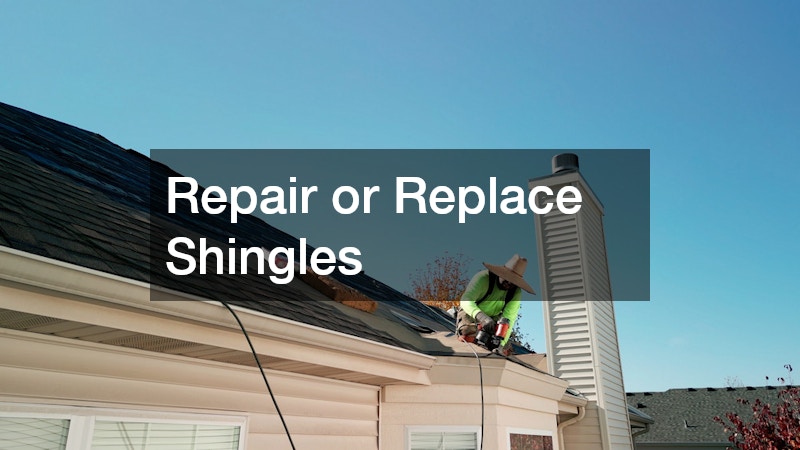
Damaged or missing shingles are one of the most common issues that appear during roof evaluations. Even minor shingle problems can escalate when exposed to heavy wind and rain, allowing water to penetrate beneath the roofing surface and compromise interior structures. Working with a skilled roofing contractor ensures that any weak or deteriorated areas are handled correctly before they turn into serious problems. These professionals can determine whether select shingle repairs are sufficient or if a full replacement is a better long term solution.
In some cases, homeowners may choose to partner with a roofing company that specializes in storm resilience and weather resistant materials. Modern shingle products are often designed to better withstand wind uplift, moisture exposure, and temperature variation. Investing in higher quality shingles can help prevent frequent repairs and reduce the risk of leaks during severe weather events.
Replacing damaged shingles not only improves the roof’s structural integrity but also helps maintain energy efficiency and interior comfort. By sealing gaps and reinforcing vulnerable areas, you ensure that your roof continues to perform effectively under pressure. Taking care of shingle issues before the next major storm gives your home a stronger barrier against moisture and wind.
Upgrade Your Home Siding
Your siding plays a vital role in protecting your home’s exterior walls from rain, wind, and debris. Over time, older siding materials may crack, warp, or loosen, especially when exposed to fluctuating temperatures and frequent storms. Many homeowners choose to work with vinyl siding contractors when upgrading their exterior because vinyl is known for its durability, low maintenance needs, and resistance to moisture.
Upgrading your siding can significantly improve your home’s ability to withstand extreme weather. Modern siding products are often engineered to resist impact damage, which can be especially beneficial in areas prone to hail or wind driven debris. Quality siding also helps reduce water infiltration, preventing moisture damage to interior framing and insulation. This added protection supports energy efficiency and structural longevity.
Beyond weather resistance, new siding enhances curb appeal and increases property value. A strong and well maintained exterior creates a more secure home environment while also contributing to long term financial benefits. By replacing deteriorating materials before they fail, you ensure that your home remains both attractive and resilient during harsh weather conditions.
Reinforce Your Windows
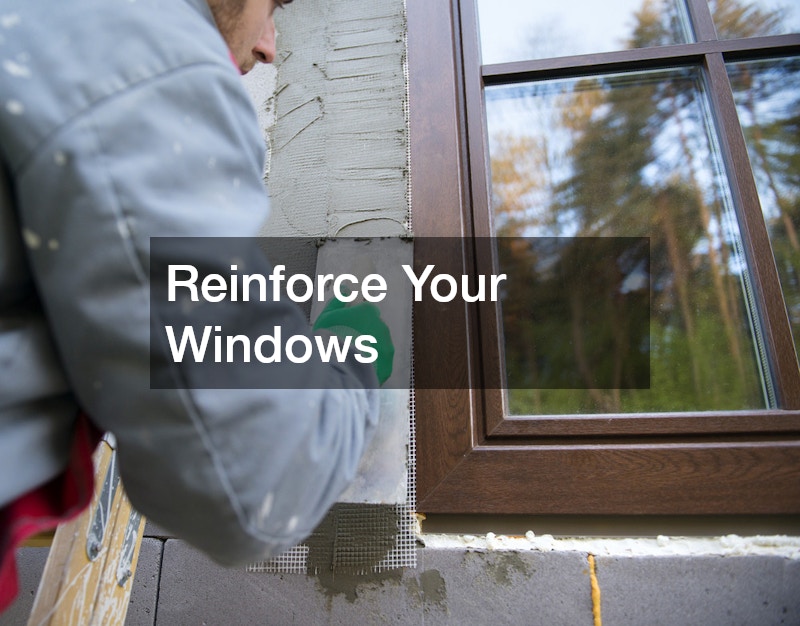
Windows are another key area of vulnerability during extreme weather. Strong winds and flying debris can damage glass, while poorly sealed frames may allow water or drafts to enter the home. Many homeowners look to window manufacturers for specialized products that improve structural reinforcement and energy performance. Impact resistant glass, multi pane designs, and reinforced frames provide an extra layer of security during storms.
Reinforcing your windows can involve more than just replacing the glass. Proper installation, secure framing, and high quality sealing materials help prevent air and moisture leaks. Weatherstripping and caulking are simple yet effective upgrades that reduce the risk of water intrusion during heavy rain. These improvements also enhance insulation, which helps stabilize indoor temperatures during extreme heat or cold.
In regions where hurricanes or severe wind events are common, some homeowners choose to add shutters or protective coverings for additional defense. By strengthening your windows before hazardous conditions arise, you can reduce the risk of breakage, prevent interior damage, and keep your household safer during severe weather events.
Repair Any Damage
Even with proactive maintenance, minor exterior damage can sometimes develop over time. Cracks, worn materials, loose components, and aging structures may become more vulnerable when exposed to storms or heavy rain. Addressing these concerns promptly is essential, which is why many homeowners schedule roof repair or other exterior fixes as soon as problems are detected. Delaying repairs can cause small issues to spread, leading to more extensive and costly damage.
Repairing damage early helps maintain structural strength and prevents moisture infiltration. Sealing gaps, reinforcing joints, and replacing deteriorated materials ensures that your home remains weather resistant. This approach not only protects the exterior but also preserves interior finishes, insulation, and mechanical systems.
Ongoing maintenance also gives you greater control over long term home expenses. By resolving problems before they escalate, you avoid emergency situations that can be stressful and expensive. Regular evaluation and timely repairs create a stronger and more resilient property that can better withstand future storms and environmental stressors.
Protect Possible Entryways
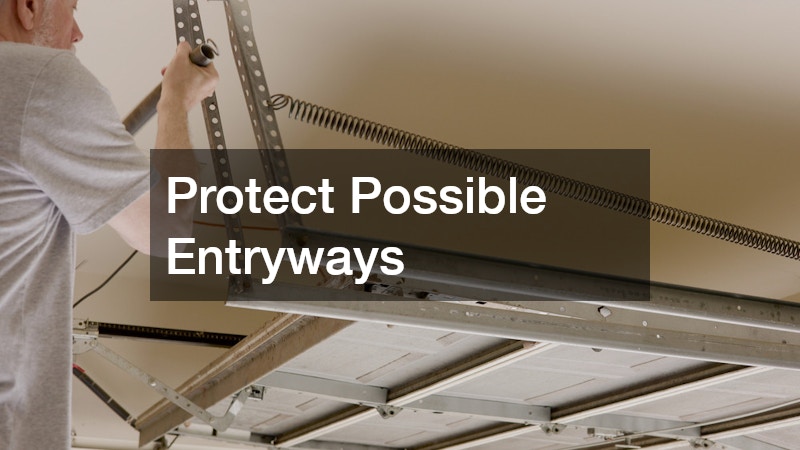
Entry points such as doors, exterior frames, and attached structures can also become weak spots during extreme weather. Wind pressure, debris, and moisture can place significant strain on these areas if they are not properly reinforced. Many homeowners consult garage door installers to ensure that the largest entryway on their property is secure and capable of withstanding intense weather conditions. A reinforced garage door can prevent wind from entering and pressurizing the interior, which helps protect the overall structural stability of the home.
In addition to reinforcing garage doors, homeowners should also evaluate other entry points such as side doors, patio doors, and exterior frames. Ensuring that hinges, seals, and locking mechanisms are strong helps prevent drafts, leaks, and potential damage during storms. Weather resistant thresholds and frames further support the integrity of these entryways.
Taking the time to secure entrances not only reduces weather related risks but also improves overall home safety. By strengthening these critical areas, you create a more stable and secure environment that is better equipped to handle intense environmental conditions.
Invest in Necessary Repairs
Preparing your home for extreme weather is an ongoing process that often involves strategic upgrades and professional improvements. Many homeowners choose to partner with home renovations contractors when planning larger projects that enhance durability and performance. These professionals can help coordinate repairs, structural upgrades, and weather resistant improvements that strengthen the entire property. Their expertise is especially valuable when evaluating older structures, identifying hidden vulnerabilities, and ensuring that every upgrade meets modern building standards designed to withstand harsh environmental conditions.
Beyond major construction work, renovation specialists can also provide guidance on long term maintenance planning. They can recommend materials that perform better in extreme climates, suggest smarter layouts for ventilation and drainage, and ensure that every improvement works together as part of a larger protective system. This collaborative approach helps homeowners make informed decisions that not only reinforce the home but also increase efficiency, comfort, and usability over time.
Investing in necessary repairs may include reinforcing exterior walls, improving drainage systems, upgrading insulation, or modernizing aging materials. Some projects focus on preventing moisture intrusion, while others are designed to stabilize structural framing or reduce wind exposure. Each of these projects contributes to a stronger and more resilient home that is better prepared for unpredictable weather conditions. While some upgrades may require an initial financial commitment, the long term benefits often outweigh the costs by preventing severe damage and preserving property value. In many cases, proactive improvements can also reduce future repair expenses and minimize the likelihood of emergency situations after storms.
A well planned renovation strategy also allows homeowners to prioritize the most critical improvements first. By focusing on structural integrity, moisture protection, and energy efficiency, you create a safer and more comfortable living environment while also preparing your home for future environmental challenges. Taking a phased approach to renovations ensures that every upgrade builds upon the last, resulting in a home that is not only visually appealing but also stronger, more dependable, and better equipped to withstand extreme weather for years to come.
Protecting your home from extreme weather requires a proactive and informed approach. By inspecting your property, reinforcing vulnerable areas, upgrading essential components, and addressing damage before it worsens, you can significantly reduce the risks associated with storms, heavy rain, wind, and temperature fluctuations. Each improvement you make strengthens the overall structure of your home while also contributing to long term safety, comfort, and value.
A resilient home is one that has been thoughtfully maintained and carefully prepared for changing environmental conditions. When you take steps to fortify your roof, siding, windows, entryways, and structural elements, you help ensure that your property remains secure even during severe weather events. These efforts not only protect your investment but also provide peace of mind for you and your household.
By prioritizing preventative maintenance and strategic upgrades, you place your home in the best possible position to withstand the challenges of extreme weather. The time and care you invest today can make a meaningful difference in the strength, reliability, and longevity of your home for years to come.