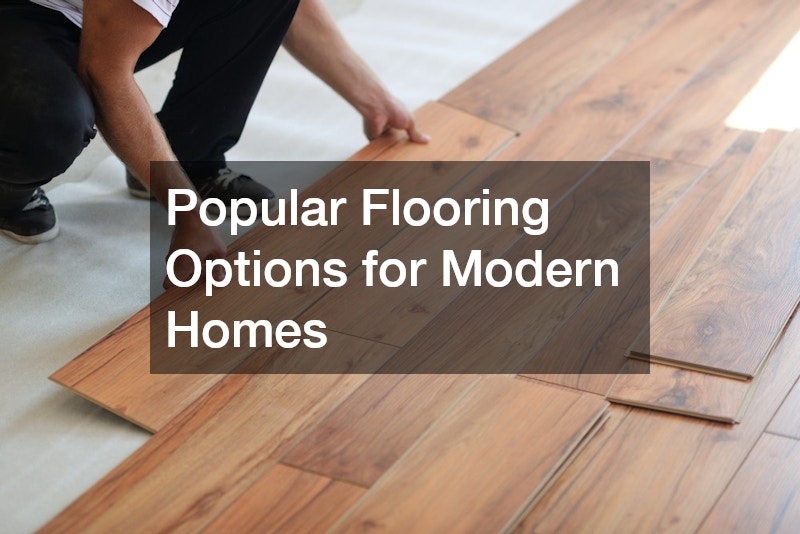
Modern homes demand surfaces that balance style, performance, and long-term value. Today’s homeowners are no longer limited to a single material or look, and the wide range of options allows each space to feel intentional and personalized. Flooring plays a major role in how a home functions day to day, influencing comfort, durability, acoustics, and visual appeal. Whether you’re building new or updating an existing space, the right surface choice can significantly enhance both aesthetics and usability.
In many residential projects, homeowners work alongside flooring companies to evaluate options that suit their lifestyle and design preferences. From natural materials to innovative synthetics, modern solutions offer impressive versatility. Flooring must also complement other exterior and structural elements, such as concrete driveways, concrete patios, and nearby hardscaping completed by a local paving contractor. These surrounding features often influence interior design decisions more than homeowners realize.
As open floor plans and multi-use rooms become more common, selecting flooring that performs well across different environments is increasingly important. Moisture resistance, ease of maintenance, and longevity all factor into the decision-making process. This article explores the most popular flooring options available for modern homes, breaking down their benefits, drawbacks, upkeep requirements, and visual impact to help homeowners make informed choices with confidence.
What Are The Benefits Of Hardwood Flooring?

Durability And Longevity
Hardwood flooring is celebrated not only for its natural beauty but also for its impressive durability and long lifespan, making it a highly valued long-term investment in modern homes. With proper care and routine maintenance, hardwood surfaces can last for decades, often outliving many other flooring materials. Everyday scratches and signs of wear can generally be addressed through sanding and refinishing, restoring the floor to its original elegance while preserving its natural character. This resilience makes hardwood particularly suitable for high-traffic areas such as living rooms, hallways, and dining spaces, where durability is essential. Hardwood flooring also pairs seamlessly with other permanent features, such as concrete services or masonry elements, creating a cohesive and enduring interior design that blends functionality with sophistication.
Aesthetic Appeal
Few flooring materials provide the timeless elegance that hardwood delivers. Its natural grain patterns, rich color variations, and ability to be stained or finished in a variety of shades allow homeowners to personalize their spaces with remarkable ease. Hardwood complements both traditional and contemporary interior styles, seamlessly adapting to evolving décor trends. Its warmth adds depth to minimalist designs and enhances the charm of classic layouts. Beyond aesthetics, hardwood is often viewed as a value-boosting feature for homes, offering a visually striking investment that appeals to potential buyers while creating a warm, inviting atmosphere for residents.
How Does Laminate Flooring Compare To Hardwood?
Cost-Effectiveness
Laminate flooring has gained popularity as a practical and affordable alternative to hardwood without sacrificing visual appeal. Engineered to replicate the look of natural wood, laminate provides a similar aesthetic at a fraction of the cost, making it an ideal option for larger areas, full-home renovations, or budget-conscious projects. Homeowners can use the savings from choosing laminate to invest in complementary upgrades, such as hiring asphalt contractors for exterior improvements or scheduling sealcoating to maintain paved surfaces. Its combination of cost-efficiency and attractive design makes laminate a versatile choice for modern homes seeking style on a budget.
Maintenance Needs
One of laminate flooring’s key advantages is its low-maintenance nature. Unlike hardwood, which often requires refinishing and special treatments to maintain its appearance, laminate is easy to care for with simple, regular cleaning routines. Routine sweeping and occasional damp mopping are typically sufficient to keep laminate looking fresh and vibrant. Additionally, laminate resists fading, staining, and the everyday wear that can affect hardwood, making it particularly suitable for busy households, rental properties, or areas with pets and children. This ease of upkeep ensures that homeowners can enjoy stylish flooring with minimal effort and long-lasting beauty.
Is Tile Flooring A Good Choice For Wet Areas?
Water Resistance
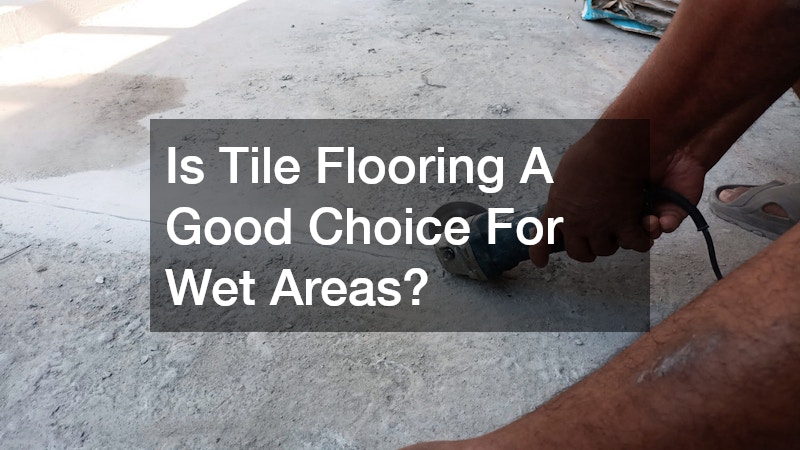
Tile flooring is an excellent choice for areas that are frequently exposed to moisture, including bathrooms, kitchens, mudrooms, and laundry rooms. Its non-porous surface acts as a reliable barrier against water, preventing absorption that could otherwise lead to warping, swelling, or structural damage. This makes tile a practical option for homes in humid climates or regions prone to seasonal moisture fluctuations. Beyond its functional benefits, tile’s water-resistant nature also contributes to long-term durability, ensuring that it maintains its form and finish for years to come. When installed correctly by skilled professionals, tile flooring can withstand everyday wear while retaining both its beauty and integrity, making it a trusted solution for high-use, moisture-prone spaces.
Variety Of Styles
One of tile flooring’s standout features is its remarkable design versatility. It comes in an endless array of colors, patterns, textures, and sizes, allowing homeowners to achieve virtually any aesthetic vision. Sleek, polished tiles can create a modern, minimalist feel, while textured or stone-look tiles bring rustic charm or natural warmth to a room. Tile can even mimic the appearance of wood or other natural materials, giving the beauty of hardwood without the worry of water damage. This adaptability also allows tile to complement surrounding features, such as concrete patios, driveways, or surfaces installed by asphalt companies, creating a harmonious flow between indoor and outdoor spaces. From bold geometric patterns to subtle neutral tones, tile flooring provides homeowners with complete creative freedom to craft spaces that reflect both style and practicality.
What Are The Eco-Friendly Flooring Options?
Bamboo Flooring
Bamboo flooring has emerged as a favorite among environmentally conscious homeowners due to its rapid growth and renewable nature. Unlike traditional hardwoods, which may take decades to mature, bamboo reaches full height in just a few years and requires minimal resources to harvest. This makes it a sustainable choice for those looking to minimize their ecological footprint. Bamboo is not only environmentally friendly but also impressively durable, able to withstand the demands of high-traffic areas such as hallways, kitchens, and living rooms. Its natural grain patterns and warm tones provide a clean, contemporary aesthetic that fits seamlessly into modern interiors, combining sustainability with style.
Cork Flooring
Cork flooring offers a unique blend of comfort, sustainability, and functionality. Harvested from the bark of cork oak trees without causing harm, this material is completely renewable and biodegradable, making it an eco-friendly flooring solution. Its natural cushioning provides comfort underfoot, which is perfect for bedrooms, home offices, or play areas. Additionally, cork has excellent sound-absorbing properties, reducing noise between rooms and floors. Its thermal insulation helps maintain a cozy indoor environment, enhancing energy efficiency in the home. With a soft yet resilient surface, cork flooring offers a modern, eco-conscious option that balances comfort, performance, and sustainability, making it a thoughtful choice for environmentally minded homeowners.
How Do You Choose The Right Flooring For Pets?

Durability Under Scratches
Homes with pets need flooring that can endure constant activity, from playful paws to the occasional accidental scratch. While hardwood floors offer classic elegance, they may show wear more quickly in active households. Alternatives like laminate, vinyl, or even epoxy flooring provide enhanced resistance to scratches, dents, and daily wear, making them more practical for families with pets. Flooring companies often guide homeowners toward surfaces specifically engineered for high-traffic use, helping preserve both appearance and longevity. For outdoor areas, pet owners might also explore concrete patios or spaces installed by a local paving contractor, offering safe, low-maintenance areas where pets can play and roam without damaging surrounding surfaces. A well-planned combination of durable indoor and outdoor flooring ensures a pet-friendly home that still looks stylish and polished.
Easy To Clean
Low-maintenance flooring is crucial for pet owners managing fur, spills, or accidents. Vinyl, laminate, and epoxy flooring offer surfaces that are quick and easy to wipe, mop, or sweep, reducing stress for homeowners while maintaining hygiene. These materials resist stains, odors, and moisture, keeping the home fresh and clean with minimal effort. In addition, exterior maintenance, such as sealcoating or asphalt contractor services for driveways and pathways, ensures a cohesive, well-kept environment that complements indoor flooring. By selecting easy-to-clean materials both inside and out, pet owners can enjoy a home that balances practicality, comfort, and style.
What Are The Trends In Vinyl Flooring?
Luxury Vinyl Tiles (LVT)
Luxury vinyl tiles have gained significant popularity because they beautifully replicate the look of natural materials such as wood, stone, or ceramic, without compromising durability. LVT combines aesthetic appeal with practical benefits like scratch resistance, water resistance, and ease of upkeep, making it a versatile choice for kitchens, bathrooms, entryways, and other high-traffic spaces. Many flooring companies now offer LVT alongside complementary services, allowing homeowners to integrate these stylish surfaces seamlessly into their overall home design. Its ability to blend modern elegance with long-lasting functionality has made LVT a standout option in contemporary flooring solutions.
Easy Installation
Another compelling advantage of vinyl flooring is its user-friendly installation process. Many LVT and vinyl planks feature click-lock systems or peel-and-stick designs, enabling homeowners to undertake DIY projects with confidence and minimal tools. Despite its simplicity, installation does not compromise durability, ensuring the floor remains reliable for years to come. Homeowners often pair indoor vinyl updates with exterior improvements from asphalt companies or concrete services, maintaining a cohesive and polished look across their property. The combination of style, practicality, and easy installation continues to drive vinyl flooring trends in modern home design.
How Does Carpet Fit Into Modern Home Design?

Comfort And Warmth
Carpet continues to hold a special place in modern home interiors, especially in areas designed for comfort and relaxation. Bedrooms, family rooms, and lounges benefit from carpet’s softness, creating inviting and cozy spaces where homeowners can unwind. While it may require more maintenance than some hard flooring options, carpet dramatically enhances a room’s ambiance, transforming spaces into warm, comfortable retreats. Pairing carpet with durable flooring in other high-traffic zones ensures a thoughtful balance between comfort and functionality throughout the home.
Sound Absorption
One of carpet’s practical advantages is its sound-absorbing quality, reducing noise between rooms and floors. Multi-level homes particularly benefit from this feature, as carpet helps create a quieter, more private environment. Homeowners can strategically combine carpeted areas with durable surfaces like epoxy flooring, concrete patios, and concrete driveways to create a harmonious balance of softness and strength throughout the property. This thoughtful combination of flooring types maximizes both comfort and practicality in modern living spaces.
What Maintenance Is Required For Different Flooring Types?
Regular Cleaning
Each flooring type has unique cleaning needs to maintain its appearance and longevity. Hardwood requires gentle sweeping and mopping to prevent scratches, while tile can withstand more vigorous scrubbing. Laminate and vinyl demand simple damp-mopping routines, keeping floors looking fresh with minimal effort. Even epoxy flooring installed by a local paving contractor in garages, basements, or commercial spaces benefits from periodic cleaning to prevent buildup and preserve its glossy finish. Consistent maintenance is key to ensuring all flooring types remain functional and visually appealing over the years.
Periodic Upkeep
Beyond daily cleaning, periodic maintenance ensures longevity. Hardwood may need refinishing, and tile grout might require resealing. Epoxy flooring and concrete services often benefit from resealing or touch-ups to preserve structural integrity. Asphalt contractors and sealcoating professionals can maintain exterior surfaces, complementing indoor flooring projects and protecting the home’s overall investment. Understanding these upkeep requirements allows homeowners to enjoy a polished, functional environment with minimal surprises.
Selecting the right flooring for modern homes requires a careful balance of durability, aesthetics, maintenance, and cost. Hardwood provides timeless elegance, while laminate and vinyl offer affordable, low-maintenance alternatives. Tile excels in wet areas, and eco-friendly materials like bamboo and cork appeal to environmentally conscious homeowners. Pet-friendly choices, luxury vinyl tiles, and carpets each offer specific benefits that cater to lifestyle and design needs.
Beyond interior considerations, partnering with an asphalt contractor ensures that surrounding surfaces, including concrete patios, concrete driveways, and sealed exterior areas, harmonize with interior spaces. Proper installation and regular maintenance, such as sealcoating or epoxy flooring upkeep, extend the life of all surfaces, indoor and outdoor. By understanding the unique advantages and requirements of each flooring type, homeowners can make informed decisions that elevate the comfort, functionality, and style of their living spaces for years to come.